What Is the Priority Nursing Action for Hypoglycemia?
Do you aspire to showcase your expertise in upholding metabolic safety? Then you might be aware that in the clinical setting, few metabolic shifts require a faster response than a sudden drop in blood glucose. When you ask about the priority nursing action for hypoglycemia, you are essentially asking how to prevent cerebral starvation.
Glucose is the exclusive fuel for the brain; unlike other organs, the brain cannot store glucose or switch to fat metabolism in an acute crisis. Consequently, a significant drop in blood sugar is a true medical emergency that demands immediate recognition to prevent permanent neurological damage or death.
To provide safe, evidence-based care, you must ground your practice in standardized laboratory values. While "normal" fasting blood glucose typically ranges from 70 to 100 mg/dL, hypoglycemia is clinically defined as any level below 70 mg/dL. However, severe symptoms often manifest more aggressively when the level dips below 54 mg/dL. Every time you are tasked with identifying the priority nursing action for hypoglycemia, your first move is to compare the patient’s fingerstick result against these specific thresholds.
The "priority" in nursing is usually determined by the ABC framework, but in metabolism, glucose acts as a silent requirement for "Circulation" to the brain. If the brain is deprived of sugar, the patient will lose consciousness, experience seizures, or enter a coma. Therefore, the priority nursing action for hypoglycemia is always centered on the fastest, safest method to return blood glucose to a stable range before the patient's condition deteriorates.
Read on to learn about the clinical manifestations of hypoglycemia and how to apply the 15:15 rule to execute priority nursing action and ensure patient stability.
Recognizing the Clinical Manifestations of Hypoglycemia
The Adrenergic Response: Early Warning Signs
When blood sugar begins to drop, the body triggers a "fight or flight" response by releasing epinephrine. This sympathetic nervous system activation produces the early warning signs that every nurse must recognize. Common adrenergic symptoms include diaphoresis, tachycardia, tremors, and intense anxiety. Spotting these signs early allows you to initiate the priority nursing action for hypoglycemia before the patient loses the ability to cooperate with treatment.
Also Read: When Should You Hold a Medication on NCLEX Questions?
A patient with Type 1 Diabetes reports feeling "shaky," "nervous," and "heart racing" about 30 minutes after an insulin dose. Which physiological process should the nurse identify as the cause of these symptoms?
Neuroglycopenic Symptoms: Brain Starvation
If the glucose continues to fall, the brain begins to "shut down" non-essential functions to conserve its remaining energy. This leads to neuroglycopenic symptoms, which can be mistaken for a stroke or intoxication. Patients may exhibit slurred speech, blurred vision, irritability, and profound lethargy. Recognizing these symptoms is critical because they dictate the route of your intervention. If a patient is too confused to follow commands, the priority nursing action for hypoglycemia must shift from oral sugar to parenteral (IV or IM) glucose.

Implementing the Priority Nursing Actions
Step 1: Immediate Verification
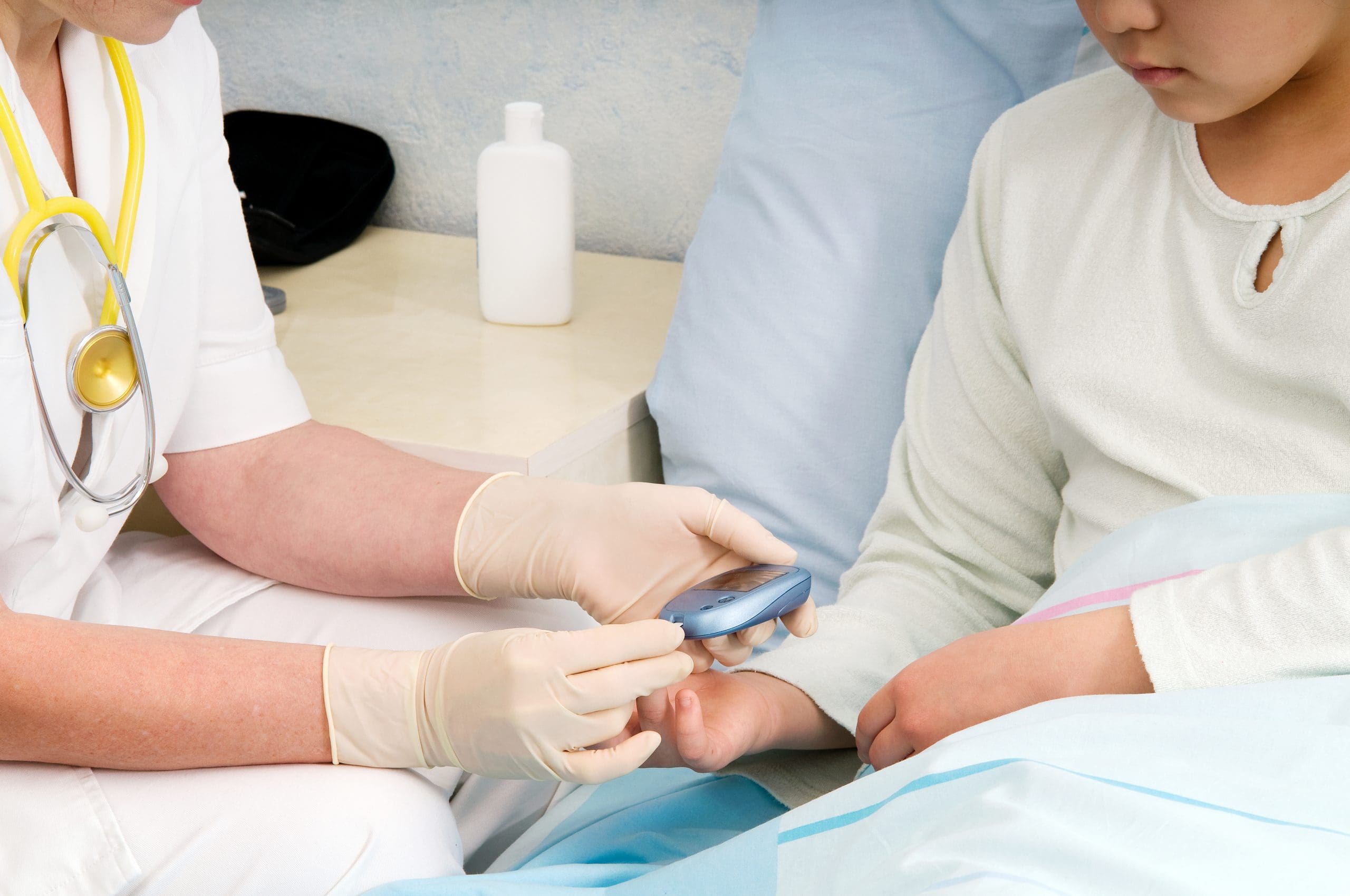
The absolute first step when you suspect a drop in blood sugar is to verify the level. If the patient is symptomatic, you must perform a bedside blood glucose check immediately. On the NCLEX, if a question asks for the priority nursing action for hypoglycemia and "check blood glucose" is an option for a symptomatic patient, that is your starting point. Remember, you cannot safely treat an imbalance without knowing the current "source of truth."
The nurse is caring for a patient whose blood glucose is 42 mg/dL. The patient is irritable, has slurred speech, and is struggling to follow simple commands. How should the nurse document these findings?
Step 2: Applying the 15-15 rule for Conscious Patients
For a patient who is awake, alert, and able to swallow, the gold standard for treatment is the 15-15 rule. This protocol is designed to raise blood sugar effectively without causing massive "rebound" hyperglycemia.
- The First 15: Give the patient 15 grams of fast-acting, simple carbohydrates (e.g., 4 oz of orange juice, 4 oz of regular soda, or 3–4 glucose tablets).
- The Wait: Wait exactly 15 minutes for the glucose to enter the bloodstream.
- The Second 15: Re-check the blood glucose. If it is still below 70 mg/dL, repeat the process. The 15-15 rule is a fundamental intervention that ensures the patient receives precisely what they need without over-treating the condition.
A nurse enters the room and finds a diabetic patient who is diaphoretic and acting confused. What is the priority nursing action?
Step 3: Intervening for the Unconscious Patient
If the patient is unconscious or unable to swallow safely, the 15-15 rule is no longer a safe option due to the high risk of aspiration. In this high-stakes scenario, the priority nursing action for hypoglycemia shifts to medical administration.
- Dextrose 50% (D50): If the patient has IV access, administer 25 to 50 mL of D50 via IV push. This provides an almost immediate rise in glucose.
- Glucagon: If no IV access is available, administer 1 mg of Glucagon via the intramuscular (IM) route to stimulate the liver to release stored glucose. Knowing when to switch from the 15-15 rule to D50 is a common critical thinking point on the NCLEX.
Related: How to Answer Delegation Questions on NCLEX: LPN vs UAP Rules

A conscious patient has a blood glucose of 64 mg/dL and has just consumed 4 ounces of orange juice. According to the protocol, what should the nurse do next?
Post-Intervention: Stabilization and Evaluation
Transitioning to Complex Carbohydrates
Once the blood glucose has risen above 70 mg/dL, your job is not over because the simple sugars from the 15-15 rule burn off quickly. To maintain stability, provide a snack containing a complex carbohydrate and a protein, such as peanut butter crackers or a half-sandwich. This is a vital follow-up step in the priority nursing action for hypoglycemia because it prevents a "rebound crash" an hour later.
A nurse finds a diabetic patient unconscious and unresponsive with no intravenous (IV) access. Which medication should the nurse prepare to administer first?
Evaluating Effectiveness
Success in your care is defined by both the numbers and the patient’s physical response. You have achieved the priority nursing action for hypoglycemia goals when:
- Laboratory Values: The blood glucose is stable within the 70–110 mg/dL range.
- Clinical Status: The patient is alert, oriented, and the diaphoresis has resolved.
- Safety: The patient is free from injury and has a clear understanding of why the event occurred. Evaluation ensures that the initial priority nursing action for hypoglycemia was not just a temporary fix, but a sustained recovery.
The nurse has successfully raised a patient's blood glucose to 85 mg/dL using the 15-15 rule. Which snacks are appropriate to provide for long-term stabilization? Select All That Apply.
Critical NCLEX Comparisons and Concepts
"Cold and Clammy" vs. "Hot and Dry"
The NCLEX frequently tests your ability to distinguish between low and high blood sugar using assessment alone. For hypoglycemia, remember: "Cold and clammy, give them candy." For hyperglycemia (DKA), remember: "Hot and dry, sugar is high." Distinguishing these two states is the first step in deciding the priority nursing action for hypoglycemia versus the interventions needed for a diabetic coma.
Which findings indicate that the nursing interventions for a hypoglycemic event were effective? Select All That Apply.
Common Causes of the "Crash"
Identifying the "why" is just as important as the "what." Common triggers include too much insulin, excessive exercise without a snack, or alcohol consumption, which inhibits glucose release from the liver. When providing care, the priority nursing action for hypoglycemia should include an assessment of these factors to prevent the patient from experiencing a repeat episode.
A nurse is assessing a patient and suspects hypoglycemia. Which assessment findings support this hypothesis? Select All That Apply.
Patient Education and Long-Term Safety
Teaching the 15-15 rule for Home Use
Before discharge, the patient and their family must understand the 15-15 rule. They should be taught to carry "emergency carbs" at all times and avoid using "diet" products or high-fat chocolate to treat a low, as fat slows sugar absorption. This education is the most important long-term priority nursing action for hypoglycemia you can provide.
A nurse is educating a patient about the common causes of a hypoglycemic "crash." Which factors should be included? Select All That Apply.
Managing Medication Timing
Patients must understand how to time their insulin with their meals. For example, rapid-acting insulin requires that food be present before the injection. Teaching this timing is a foundational priority nursing action for hypoglycemia because prevention is always safer than emergency treatment.
The nurse is teaching a patient how to use the 15-15 rule at home. Which instructions are correct? Select All That Apply.
Hypoglycemia Unawareness and Autonomic Failure
A critical clinical phenomenon you must recognize is hypoglycemia unawareness, which often develops in patients with long-standing Type 1 diabetes. Over time, the body’s compensatory sympathetic response—the "early warning system" of shakiness and sweating—becomes blunted or absent. This occurs because frequent hypoglycemic episodes can lead to autonomic failure, preventing the release of epinephrine.
In these cases, the priority nursing action for hypoglycemia involves educating the patient on the necessity of frequent glucose monitoring and the use of Continuous Glucose Monitors (CGM). Without these triggers, a patient may transition directly into a neuroglycopenic coma without any adrenergic warning signs.
Understand Your Role in Metabolic Safety
Responding to a hypoglycemic event is a non-negotiable skill for every nurse. When you are asked to identify the priority nursing action for hypoglycemia, remember the sequence: Verify, Treat (using the 15-15 rule or D50), and Stabilize. By keeping the standardized value of 70 mg/dL as your anchor, you ensure the patient’s brain remains fueled and protected.
It is essential to always look for the option that provides the fastest glucose delivery while maintaining patient safety. Whether you are teaching the 15-15 rule or administering D50, your goal is to prevent the progression from simple confusion into a life-threatening coma. Just like performing the head-to-toe assessment, follow the protocol, and keep your standardized values at the heart of your practice.
With this knowledge, you are now prepared to execute the priority nursing action for hypoglycemia with clinical authority and precision. Rest assured, you will ace your NCLEX effortlessly!


No comments yet. Be the first to comment!